Handling Narcissists Effectively (or Narcissistic Behavior) Is A Life Skill Everyone MUST Learn
I think that in addition to healthy communication skills and boundaries, it should be required curriculum for people to learn how to deal with narcissists—or at best, extremely self-absorbed behavior—effectively. Whether or not the person is pathologically a “narcissist,” has C-PTSD, or is intentional about it is neither here nor there. If you see the behavior, you have to deal with it based on best practices for handling narcissism.
I worry that actual narcissism gets too often reframed more positively as simple C-PTSD or anxious-avoidant issues. Even if it’s not clinical NPD, narcissistic behaviors need to be treated the same regardless of whether the person qualifies as a narcissist or not. We make all types of justifications for why someone we care about isn’t one—we can cherry-pick examples of when they’ve been nice, or thoughtful, or generous. It’s just confirmation bias. Regardless, problematic behavior is still problematic behavior.
Too often there is a cultural emphasis, especially among my fellow white liberals, on being “nice” or “classy.” That’s great much of the time, maybe even most of the time, but NOT all of the time—as misguided conventional wisdom implies. Secure attachment and healthy boundaries matter leaps and bounds more. Fuck “niceness” and “classiness” if it means avoiding difficult, necessary conversations, bottling up frustrations, or people-pleasing. A stitch in time saves nine, so whether nine stitches, or any stitches are needed, it simply must get done.
If you’re an intuitively empathetic person like I am, it can feel cold and “not nice” at first to respond to narcissistic-coated provocations using best practices. In your soul, you just naturally want to give people the benefit of the doubt. I say be open-minded, but reserve that benefit for those whose behavior has earned it, and change your approach when it becomes increasingly clear that someone isn’t acting in good faith.
Part of wisdom is watching people’s behaviors closely and staying vigilant to people’s bullshit. Know your truth and trust what you see. Take someone else’s perspective as their truth, not gospel. If anyone gaslights you, or you even suspect it, never believe them—confidently say “I remember it differently” or “I see things differently.” Never use reason and logic with people who won’t do so in good faith.
I will admit, some “yellow flags” could just be people who need to process their feelings before yours, struggle to communicate under stress, or are conflict-avoidant. If someone fights you on how you feel because they’re bad at disagreeing, that’s a yellow flag, but only at first. Firm boundaries should go up, but it’s still worth engaging if it’s clear they’re acting imperfectly, yet still trying. Yellow flags, to me, are imperfect but good-faith communication. We’re all guilty of it from time to time.
Where it becomes a red flag is when you feel like a hamster on a wheel of endless drama, where the ONLY path out is people-pleasing, capitulating, or agreeing to disproportionate blame—all while someone refuses to even TRY—even imperfectly—to see where you’re coming from, makes themselves the direct victim of YOUR pain rather than theirs, and offers ZERO observable effort whatsoever for resolution, even after you’ve begged for it and CLEARLY stated your needs. You’ve done everything in your bandwidth and ability to be fair, take accountability, and own what’s yours—the other person refuses to acknowledge your efforts at that, even when prompted… yet at the same time, you’re offered ZERO comparable reciprocity that you’ve offered them, and the problem paradoxically STILL continues to deteriorate rather than improve!
If that’s ever felt like you: STOP right now. That is 100% NOT your fault! Even if you made communication blunders along the way. That is harmful behavior.
Most importantly, your first priority must be to not get sucked in to the black hole of endless drama. Because the consequences are severe and cannot be overstated. Eventually once your goodwill gets exploited to the point of your own emotional bankruptcy, you WILL inevitably snap, act completely out of character, and the whole focus will shift to your reaction, all while you feel at fault and guilty for reacting. That’s the narcissist’s goal though!
So, for your own mental health, I cannot overstate how you MUST change your typical/natural approach! Expect blowback—narcissists don’t like it when you stop playing the drama game—but you have to white-knuckle through the initial awfulness, which may take days. Stick it out. Be patient. And importantly, reassure yourself over and over and over again.
We all have moments of being egotistical, self-righteous, and making things worse. That’s one thing. But if you know in good faith that you’ve tried to be reasonable—and feel like your goodwill has been exploited, and you’re still being gaslit, accused of what they’re doing when you aren’t, and the drama keeps getting worse—then congratulations: regardless of the person’s clinical pathology, you’re dealing with narcissism, straight up.
I’d also add: the moment you shift from feeling “I’m frustrated, hurt, and disappointed with the other person. I just want us to resolve this, feel understood, and make sure we’re both okay,” to feeling genuine contempt for the other person’s character, fighting every urge to say “fuck you, you manipulative, gaslighting piece of shit” —
Then it’s past time to play hardball and use best narcissism practices.
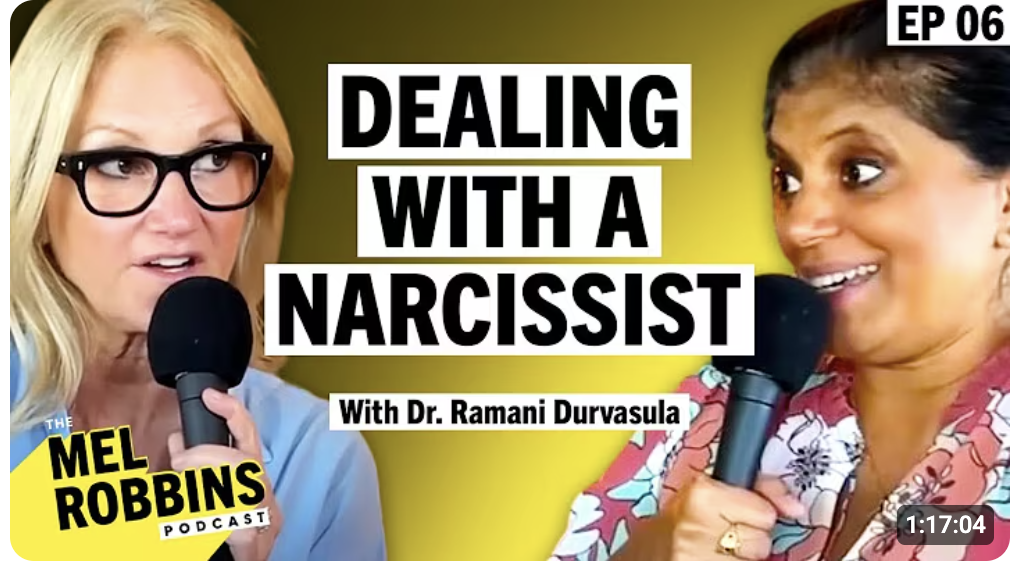
So far I’ve been listening to Mel Robbins, Jefferson Fisher, and Dr. Ramani Durvasula for good info on these topics. I urge you to do so too if you have not!
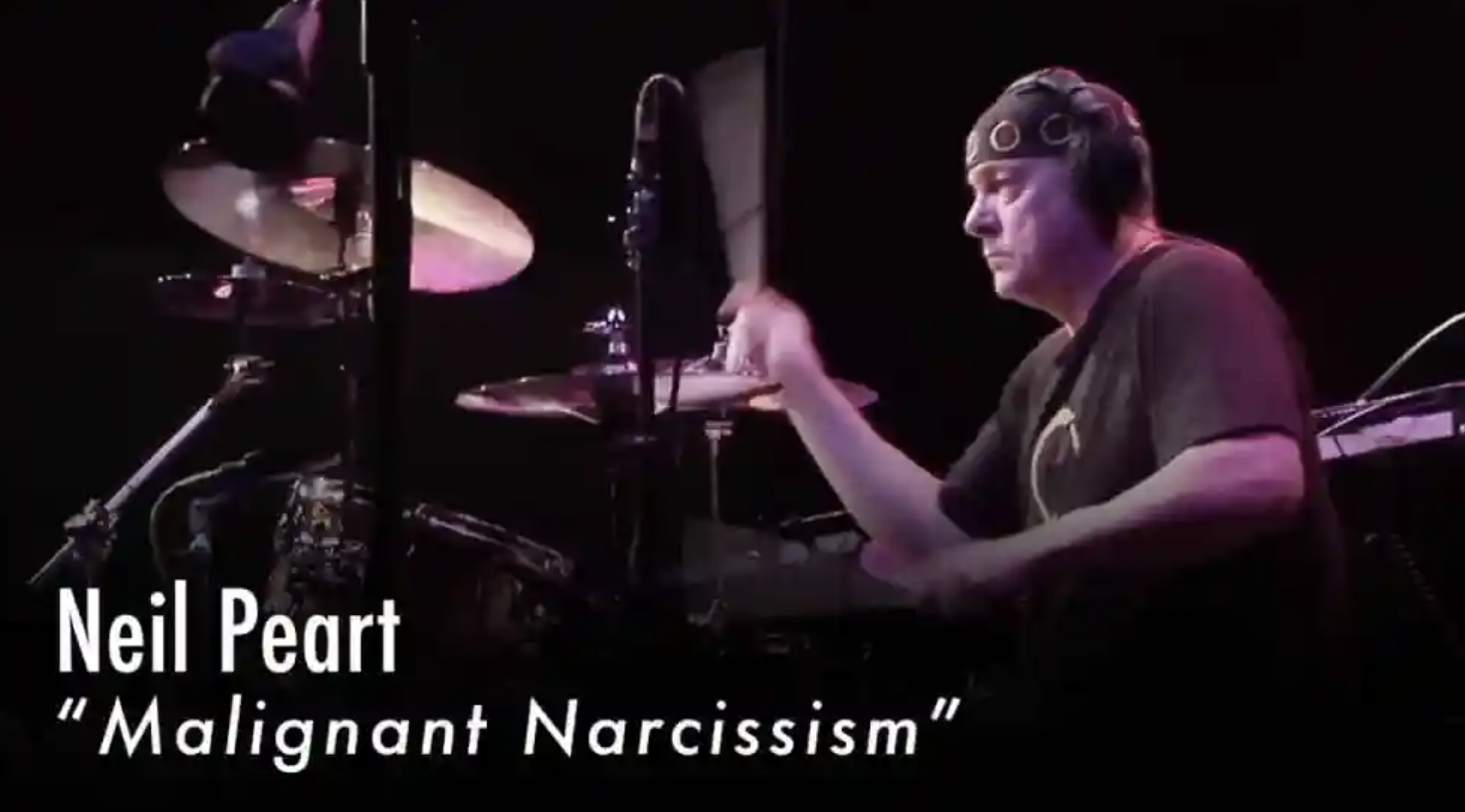
As a Rush fan, I couldn’t help but include imagery of the late Neil Peart performing Rush’s instrumental song Malignant Narcissism…